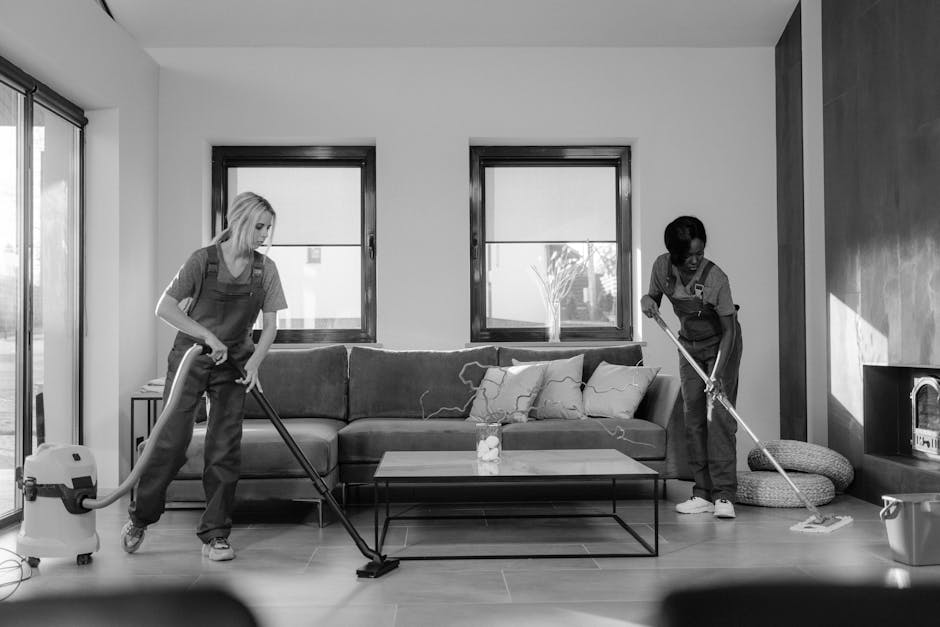
Cheap end of tenancy cleaning Kentish Town NW5

If you are moving out in a hurry, chasing a deposit, or trying to keep costs under control, Cheap end of tenancy cleaning Kentish Town NW5 can feel like the sweet spot you need. You want a proper clean, not a rushed wipe-down. You want value, not corner-cutting. And, honestly, you probably do not want to spend your last weekend in a flat scrubbing skirting boards while boxes stare at you from every room.
This guide explains what end of tenancy cleaning actually involves, how to keep it affordable without sacrificing standards, and what to expect in Kentish Town specifically. We will cover the process, common mistakes, landlord and letting-agent expectations, and the small details that often decide whether a checkout feels smooth or awkward. If you are a tenant, landlord, or letting agent working in NW5, this should give you a solid, practical starting point.
Why Cheap end of tenancy cleaning Kentish Town NW5 Matters
End of tenancy cleaning is about more than making a place look tidy. It is the final reset before keys are handed back, and in rental moves that reset matters. A property that looks clean but still has grease in the oven, limescale in the bathroom, dust on the tops of cabinets, or pet hair in corners can easily trigger disputes. That is where a properly planned clean earns its keep.
In Kentish Town NW5, homes and flats often have their own quirks. Some have compact kitchens where cooking residue builds up fast. Others have older sash windows, dusty coving, or shared hallways that pick up traffic grime. You also see plenty of renters moving between flats near busy roads, where the fine grey dust seems to appear again two minutes after you wipe it away. To be fair, London has a way of doing that.
Choosing a cheaper service does not have to mean lowering the bar. It usually means being smart about what you actually need: a focused, room-by-room clean, clear expectations, and no fluff in the quote. The real goal is simple: leave the property in a condition that feels ready for inspection, while staying sensible about budget.
Practical takeaway: the cheapest quote is only cheap if it still covers the areas your landlord, agent, or inventory report will check. Miss the oven, the bathroom seals, or the inside of kitchen cupboards, and the price suddenly looks a lot less attractive.
How Cheap end of tenancy cleaning Kentish Town NW5 Works
A good end of tenancy clean follows a clear routine. It is not just "clean the flat"; it is a structured deep clean designed around the way checkout inspections are usually carried out. The service normally starts with a property walkthrough, either in person or through photos and a brief description. That helps the cleaner understand the size of the property, how many bathrooms there are, whether appliances need attention, and whether any extras are needed.
From there, the work is usually split into zones. Kitchens get the most attention because they collect the most stubborn mess: hob grease, extractor marks, splashback residue, cupboard fingerprints, and inside-appliance grime. Bathrooms need limescale removal, descaling of taps and shower screens, and attention to tile edges and silicone lines. Living rooms, bedrooms, and hallways are normally dusted, vacuumed, wiped, and checked for marks on doors, switches, and skirting boards.
The best cheap service is one that keeps the process efficient rather than rushed. That often means:
- prioritising the most inspection-sensitive areas first
- bringing the right products for bathroom scale, kitchen grease, and general dust
- using a checklist rather than working from memory alone
- not assuming the property is "nearly fine" because it looks decent at first glance
If you need a broader tidy-up before the final deep clean, some renters combine this with deep cleaning or a one-off visit after they have moved furniture out. That can make the last phase easier, especially if there has been a long tenancy and the place has picked up a bit of everyday wear.
Key Benefits and Practical Advantages
The obvious benefit is saving money. But the real value is broader than that. When the service is well planned, you save time, reduce stress, and improve the odds of a smooth handover. Nobody needs extra friction at the end of a tenancy, especially when you are dealing with removals, utility cut-offs, forwarding mail, and the general chaos of moving day.
Here are the main advantages people usually notice:
- Better deposit protection: A thorough clean reduces the chance of cleaning deductions, provided the tenancy agreement does not require something unusual.
- Less last-minute panic: Moving is messy enough. Handing off the intensive cleaning to professionals frees up your headspace.
- More predictable results: A structured clean tends to be more consistent than a rushed DIY effort done at 10 p.m. with a half-empty spray bottle.
- Useful for tenants and landlords alike: Tenants want a clean exit, and landlords want the property ready for the next occupant without delay.
- Better presentation for inspections: Small details like polished taps, dust-free skirting, and clean switch plates create a strong first impression.
There is also a hidden benefit that people sometimes forget: a well-done clean can make any remaining issues easier to spot. If a chip in a worktop, a cracked tile, or a scuffed wall is visible after cleaning, it is much easier to document it properly. That helps everyone. A bit boring, maybe, but useful.
Who This Is For and When It Makes Sense
This service is not only for tenants at the end of a lease, although that is the main group. It can make sense for a few different people in Kentish Town NW5:
- Tenants leaving a rented flat or house: especially if the inventory report was strict when you moved in.
- Landlords preparing a property for new occupants: particularly if there has been a gap between tenancies or the property has been left in a less-than-ideal state.
- Letting agents managing multiple checkouts: helpful when speed and consistency matter.
- Room sharers moving out at different times: useful when the whole household does not leave on the same day.
- People doing a large move and needing a final reset: sometimes it is less about the tenancy agreement and more about getting the property back into decent shape before handover.
It makes the most sense when you have a deadline and the property needs more than a surface tidy. If your place is already fairly clean and only needs light touch-ups, a full end of tenancy service may be more than you need. But if the oven looks tired, the bathroom has scale, or the cupboards have that fine layer of dust that only shows in daylight, then it is probably worth it.
And yes, it is usually better to book before the final box is carried out. Cleaning around furniture is possible, but cleaning an empty property is easier, faster, and usually gives a better result. That is just how it is.
Step-by-Step Guidance
Here is the simplest way to approach a cheap but proper end of tenancy clean in Kentish Town NW5.
- Check your tenancy agreement. Look for any cleaning-related clauses, appliance requirements, or expectations about the property condition at handover.
- Walk through the property room by room. Make a quick note of trouble spots: oven, fridge, bathroom limescale, cupboard shelves, marks on walls, dusty blinds, and forgotten corners.
- Decide what you will do yourself and what you will outsource. Some people handle light decluttering and bag removal themselves, then leave the deep clean to professionals.
- Get a clear quote. Make sure the quote reflects the size of the property, the number of rooms, and any extras such as carpet or upholstery work.
- Prepare the property. Remove personal items, empty cupboards if required, defrost the freezer in advance, and ensure access to water and electricity.
- Book the clean after moving out, if possible. This gives the cleaner full access to surfaces, floors, and hidden areas. Much less faff.
- Review the completed work. Check key areas like the kitchen, bathroom, window ledges, and skirting boards before handing over the keys.
If carpets look tired or have marks from moving traffic, it may be worth combining the service with carpet cleaning. That is especially sensible in furnished rentals or in properties where pets have lived. You do not need every add-on under the sun, but some extras are genuinely worth it.
Expert Tips for Better Results
If you want the clean to be both cheap and effective, a bit of planning goes a long way. In our experience, the best outcomes usually come from simple preparation rather than expensive extras. Here are the details that matter most.
Focus on the inspection points first
Letting agents tend to notice the same things over and over: bathrooms, kitchens, appliance interiors, marks on doors, and floors. If you are tight on budget, prioritise those zones. A spotless bedroom is nice. A clean oven is what helps at checkout.
Clear the room before the clean
Even the best cleaner cannot work around piles of bags, broken hangers, old food packets, and a lamp you forgot in the corner. The emptier the space, the more efficient the clean. It sounds obvious, but this is where a lot of people lose time and money.
Deal with limescale early
Bathrooms in older properties or hard-water areas can pick up stubborn scale around taps, shower screens, and tiles. This is one of those problems that looks minor until the light hits it. Then it is everywhere. Treating it properly matters more than chasing every visible water spot.
Do not ignore ventilation and odours
Freshness matters. A room can look clean and still feel stale if the bins, fridge, or sink area have not been handled properly. Open windows where possible, air the property out, and make sure the kitchen does not hold onto cooking smells. You know the one - a mix of old toast, spice, and a hint of last Tuesday.
Ask what is included before booking
Cheap cleaning is only good value if the service scope is clear. Ask whether the quote covers ovens, fridge interiors, window interiors, cupboard shelves, and limescale removal. The least fun part of moving is finding out that "standard clean" meant something different to you than it did to the provider.
Common Mistakes to Avoid
Most cleaning disputes are not caused by dramatic failures. They come from small oversights. A missed oven rack. A dusty top shelf. A bathroom mirror with dried spots. Nothing glamorous, just the sort of thing that annoys people during inspections.
- Assuming a quick tidy is enough: end of tenancy cleaning is much deeper than regular domestic cleaning.
- Leaving the booking too late: if you wait until moving day, you may end up paying more or settling for a less convenient slot.
- Not reading the inventory report: this is one of the best guides to what matters most.
- Forgetting inside appliances: ovens, fridges, and microwaves are frequent problem areas.
- Overlooking high and hidden spots: tops of cupboards, behind radiators, around plugs, and skirting boards can easily be missed.
- Choosing based on price alone: the cheapest quote is not always the cheapest outcome if deductions follow.
A small but real mistake is not checking access. If the cleaner cannot get in, or the property has no working electricity or water when needed, the job can become awkward very quickly. A little coordination saves a lot of back-and-forth. Strange how often that happens, really.
Tools, Resources and Recommendations
You do not need a warehouse full of specialist products, but you do need the right basics. A decent cleaning team should already have most of these, though it helps to know what good practice looks like.
- Microfibre cloths: useful for dust, glass, and polished surfaces without leaving lint.
- Degreaser: especially important for ovens, hobs, splashbacks, and extractor areas.
- Limescale remover: essential in bathrooms and around taps or shower screens.
- Vacuum with attachments: helps with edges, corners, upholstery, and detailed floor work.
- Mop and floor-safe solution: needed for hard floors, hallways, and kitchen spaces.
- Non-scratch pads: useful for stubborn marks without damaging finishes.
- Checklist: the most practical tool of all, because it keeps the job consistent.
For related services, some properties benefit from oven cleaning, one-off cleaning, or a broader end of tenancy cleaning package. If you are comparing options, it is worth looking at the service scope rather than just the headline price. That is where the real value lives.
For pricing clarity, a dedicated pricing and quotes page is often the most helpful place to start. If you are unsure what your property actually needs, a brief conversation can prevent a lot of guesswork later on.
Law, Compliance, Standards, or Best Practice
End of tenancy cleaning in the UK is usually shaped more by tenancy agreements, inventory checklists, and property condition expectations than by one single universal rule. That means the safest approach is to read the tenancy paperwork carefully and work to the standard described there. If the agreement says the property must be returned in the same level of cleanliness as at move-in, that is the benchmark to aim for.
It is also sensible to keep things fair and documented. If you are a tenant, take photos before and after the clean. If you are a landlord or agent, keep the checkout process consistent and transparent. This helps reduce avoidable disputes over deductions or re-clean requests.
From a practical best-practice perspective, there are a few things worth keeping in mind:
- Use safe products responsibly: especially around stone, wood, appliances, and painted surfaces.
- Protect ventilation and electrical safety: do not run equipment in unsafe conditions or block access to sockets and appliances.
- Handle waste properly: bag and remove rubbish before the clean where possible, and follow local disposal expectations.
- Check insurance and procedures: a professional provider should be able to explain how they work and what happens if something goes wrong.
If you are comparing providers, it is reasonable to look at pages such as health and safety policy, insurance and safety, and terms and conditions. Those details are not the flashy part, but they do matter when you want confidence, especially on a tight move-out timeline.
Options, Methods, or Comparison Table
There is more than one way to handle an end of tenancy clean. The best choice depends on your budget, time, and the condition of the property. Here is a straightforward comparison.
| Option | Best for | Pros | Cons |
|---|---|---|---|
| DIY clean | Very tidy homes, low-risk checkouts, small budgets | Lowest direct cost, full control | Time-consuming, easy to miss hidden areas, more stressful |
| Partial professional clean | Properties needing help with specific problem areas | Good value, targeted support, flexible | May not be enough if the whole property needs deep cleaning |
| Full end of tenancy clean | Most rentals at checkout, especially after longer tenancies | Thorough, inspection-focused, time-saving | Costs more than doing it yourself |
| End of tenancy clean plus extras | Homes with carpets, ovens, upholstery, or heavy use | More complete result, fewer weak spots | Higher overall cost if too many extras are added |
In practice, many tenants do best with a balanced approach: remove all belongings, handle basic decluttering, then book a proper cleaning team for the detailed work. That keeps things affordable without turning the final day into a full-scale domestic emergency.
Case Study or Real-World Example
Here is a realistic Kentish Town scenario. A tenant is leaving a two-bedroom flat near the station after a long tenancy. The place looks okay at first glance, but the kitchen has stubborn grease around the hob, the oven needs serious attention, the bathroom has limescale on the shower screen, and dust has settled on the top of wardrobes and along skirting boards.
The tenant has only one day before handover. Instead of trying to do everything themselves, they remove all personal items, bag rubbish, defrost the freezer the night before, and book a focused end of tenancy clean. The cleaner arrives to an empty flat, which immediately helps. They work through the kitchen first, then the bathroom, then the bedrooms and living room, finishing with floors and final detail work. The result is not "magically perfect" - because real properties are real properties - but it is clean, consistent, and inspection-ready.
What made the difference? Three things:
- the tenant booked early enough to secure the right slot
- the property was prepared before the clean began
- the focus stayed on the high-risk inspection areas, not just the obvious surfaces
That is the kind of practical win people are usually after. Not drama. Just a clean handover and a bit of peace of mind.
Practical Checklist
Use this checklist before your clean or before your checkout inspection.
- All personal belongings removed from cupboards, drawers, shelves, and storage areas
- Bins emptied and rubbish taken out
- Kitchen appliances checked, especially oven, hob, fridge, and microwave
- Bathroom surfaces descaled and wiped down
- Skirting boards, doors, switches, and handles cleaned
- Floors vacuumed and mopped where appropriate
- Windows, sills, and ledges cleaned internally if required
- Marks on walls noted and reported if they are beyond normal cleaning
- Light fittings, tops of cupboards, and other high dust areas checked
- Final photos taken after cleaning
- Keys, access details, and handover time confirmed
If the property includes furniture or soft furnishings that need attention, you may also want to consider upholstery cleaning or sofa cleaning. That is not always necessary, but it can make a noticeable difference in furnished rentals. A tired sofa can drag down the whole room, annoyingly enough.
Get a free quote today and see how much you can save.
Conclusion
Cheap end of tenancy cleaning in Kentish Town NW5 should never mean careless or incomplete. The best version of it is thoughtful, focused, and honest about what matters most at checkout. If you understand the inspection points, prepare the property well, and choose a service that covers the right tasks, you can keep costs sensible without making life harder for yourself later.
That is really the sweet spot: a clean that feels fair, practical, and good value. Not flashy. Just solid work that helps you move on without unnecessary stress. And in the middle of a London move, that is no small thing.
When you are ready, take a breath, check your list, and move one step at a time. It all gets done. Eventually, it does.
Frequently Asked Questions
What does cheap end of tenancy cleaning in Kentish Town NW5 usually include?
It usually includes detailed cleaning of kitchens, bathrooms, bedrooms, living areas, hallways, and floors, plus attention to high-touch and inspection-sensitive areas like skirting boards, switches, cupboards, and appliance surfaces. Exact inclusions depend on the quote.
Is the cheapest end of tenancy cleaning service always the best value?
Not necessarily. A lower price is only good value if the service covers the areas your landlord or agent will inspect. If important tasks are excluded, you may end up paying more later for re-cleaning or deductions.
How far in advance should I book end of tenancy cleaning?
As early as you can. Booking ahead gives you more choice, better coordination with moving day, and less pressure at the end. If the property needs to be empty first, plan the clean after removals are complete.
Do I need end of tenancy cleaning if I have already cleaned the flat myself?
Maybe, but it depends on the standard of the tenancy agreement and the condition of the property. A DIY clean can work for very tidy homes, but a professional service is often better for kitchens, bathrooms, and detailed areas that are easy to miss.
What are the most commonly missed areas during checkout cleaning?
Commonly missed areas include inside ovens, behind appliances, tops of cupboards, skirting boards, limescale around taps and shower screens, light switches, door frames, and window ledges. These small areas can have an outsized impact on inspection results.
Can I combine end of tenancy cleaning with carpet cleaning?
Yes, and in many rentals that is a sensible combination. Carpets often hold dust, marks, and odours that standard surface cleaning will not fix. If the property is furnished or heavily used, this can be a worthwhile add-on.
Will end of tenancy cleaning guarantee my deposit back?
No service can honestly guarantee that, because deposit decisions depend on the tenancy agreement, the property condition, and the final inspection. What a good clean can do is reduce the risk of cleaning-related deductions.
What should I do before the cleaners arrive?
Remove all personal items, bag rubbish, defrost appliances if needed, and make sure the property is accessible. If possible, leave it empty so the cleaner can reach every surface without working around furniture.
Are there any legal requirements for end of tenancy cleaning in the UK?
There is no single universal rule for every tenancy, but the tenancy agreement and inventory usually set the standard. In practice, the property should be returned in the condition agreed at the start of the tenancy, allowing for fair wear and tear.
How do I know if a cleaning quote is genuinely cheap and not just incomplete?
Ask exactly what is included, whether appliances are covered, and whether there are extra charges for bathrooms, carpets, or stubborn build-up. A trustworthy quote should be clear and easy to compare with others.
What if the property has mould, heavy grease, or unusual damage?
Those issues may need more than standard cleaning. Be upfront when requesting a quote, because severe build-up or damage can change the time and products needed. Honest descriptions save time and avoid surprises on the day.
Is end of tenancy cleaning different from regular domestic cleaning?
Yes. Domestic cleaning maintains a lived-in home, while end of tenancy cleaning is deeper and more detailed. It focuses on restoration and inspection readiness, not just day-to-day upkeep.
Where can I learn more about booking and service options?
You can explore related pages such as about us, contact us, and the main cleaning company page to understand the service approach and next steps.