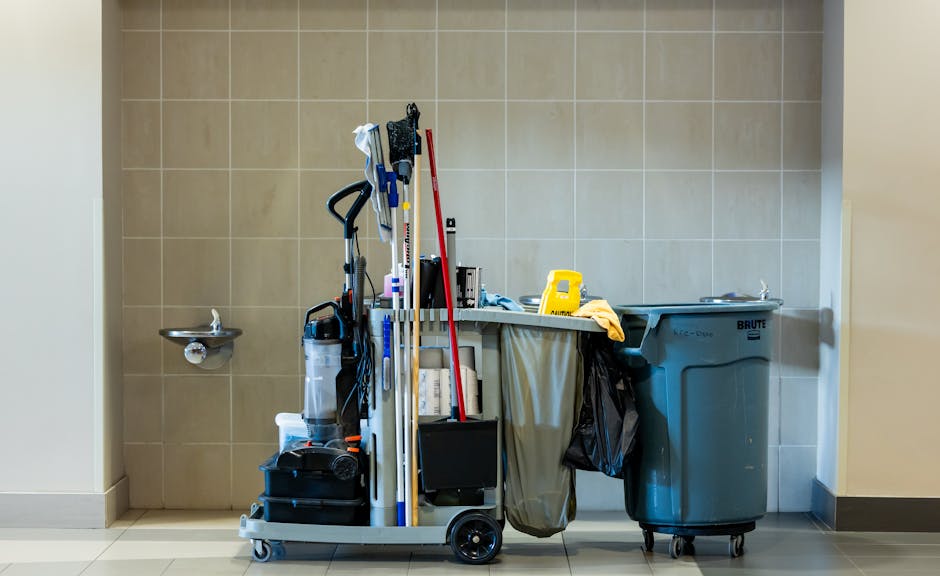
Office cleaning packages for Kentish Town shops and startups

If you run a shop or a growing startup in Kentish Town, cleaning tends to sit in that awkward middle ground: essential, but easy to postpone until the desk corners, glass doors, and shared kitchen begin to show it. Office cleaning packages for Kentish Town shops and startups are designed to take that pressure off. They give you a structured, repeatable way to keep the space presentable, hygienic, and ready for customers, clients, or investors without you having to manage every little detail yourself.
That matters more than people sometimes admit. A tidy front of house can make a small shop feel calmer. A clean meeting room can make a startup look sharper. And on a rainy London morning, when shoes bring in grit and damp, you notice the difference fast. Below, we'll break down what these packages usually include, how they work, who benefits most, and what to look for before you commit.
Why Office cleaning packages for Kentish Town shops and startups Matters
Kentish Town has a mix of independent retail, creative studios, small agencies, and early-stage businesses that often work in compact spaces. That combination creates a very specific cleaning challenge. You may have a shop floor that needs to look sharp from opening time, plus a back room with boxes, packaging, laptops, cables, and the sort of clutter that appears by magic. Or you may have a startup office where people hot-desk, eat lunch at their desk, and share a tiny kitchen with a surprisingly dramatic kettle.
In that setting, cleaning is not only about appearances. It affects how people work, how customers feel, and how long fittings and flooring last. Dust builds up on displays. Smudged glass makes a storefront look tired. Sticky kitchen surfaces create a poor impression. Even if everything else is going well, a neglected workspace can quietly chip away at confidence.
A well-built cleaning package gives you consistency. That is the real advantage. Instead of treating every spill or dusty shelf as a separate problem, you have a plan. For many businesses, that is the difference between maintenance and damage control. To be fair, nobody wants to spend their morning wiping skirting boards before opening the door.
For teams that need regular cleaning support, it can help to compare broader service options such as office cleaning and office cleaners, then shape the package around the layout and rhythm of the business.
How Office cleaning packages for Kentish Town shops and startups Works
Most office cleaning packages are built from a core service plus optional extras. The core usually includes the visible, high-traffic tasks that make the biggest difference day to day: dusting, vacuuming, bin emptying, surface wiping, kitchen and washroom cleaning, and touchpoint sanitation in shared areas. The package may also include internal glass, floors, and spot-cleaning of furniture or fixtures.
From there, the provider usually tailors the schedule. A small shop may need early-morning or evening visits so cleaning does not interrupt trading. A startup may prefer after-hours work so laptops, meetings, and calls are not disturbed. In some cases, a one-off reset is the best first step before moving to a routine plan, especially if the space has not had proper attention for a while. That is where a service like deep cleaning can be useful as a starting point.
Packages can also vary by frequency. Weekly, twice-weekly, and daily visits are all common depending on footfall. A retail unit with a busy door and lots of customer contact will need a different rhythm from a small design studio where people are mostly at desks. There is no universal answer, and that's fine. It should feel built around real use, not around a brochure template.
Some providers may also include specialist tasks on request, such as window cleaning for display visibility, carpet cleaning for reception areas, or hard floor cleaning for entrances and break areas. The right package is often a mix of recurring basics and targeted extras.
Key Benefits and Practical Advantages
The first benefit is obvious: the place looks better. But the more useful benefits are often the ones people notice after a few weeks rather than on day one.
- Consistent presentation: Customers, visitors, and suppliers see a well-kept environment every time they walk in.
- Better staff comfort: Clean kitchens, bins, and desks make it easier for people to settle and focus.
- Less ad hoc scrambling: You stop relying on whoever is nearest to deal with every spill or dusty shelf.
- Protects surfaces: Regular care can help flooring, upholstery, and carpets last longer.
- Improved first impressions: Especially important for customer-facing shops and investor-facing startups.
- More predictable budgeting: Packages are easier to plan for than random one-off callouts.
There is also a quieter benefit: cleanliness changes behaviour. People tend to look after tidy spaces a little better. They are less likely to leave mugs out, dump leaflets in the wrong place, or ignore crumbs under the table. It's subtle, but real.
For startups, this can be particularly helpful during growth. As soon as a team moves from five people to ten or fifteen, the office starts behaving differently. More lunch, more visitors, more printer paper, more foot traffic. A package helps the space keep up.
Who This Is For and When It Makes Sense
Office cleaning packages for Kentish Town shops and startups make sense for any business that wants a clean, dependable environment without handling the operational burden in-house. But they are especially useful in a few common situations.
For shops
If your business faces the street, every mark is visible. Fingerprints on the door, dust on shelving, and debris near the entrance all affect how inviting the shop feels. Retail spaces also get high-contact touchpoints: counters, card machines, fitting rooms, mirrors, and stock areas. A package keeps the front of house ready without interrupting trading hours.
For startups
Startups often work from smaller offices where staff wear multiple hats. One person is onboarding a new hire, another is handling sales, and nobody really wants to become the unofficial bin manager. A cleaning package removes one more admin job from the pile. If the office includes meeting rooms or client-facing zones, the value doubles.
For hybrid or flexible teams
Where people are in and out on different days, mess tends to appear unevenly. Mondays can be rough. Fridays, too. Regular scheduled cleaning helps reset the space before it drifts into that slightly chaotic, lived-in look that no one intended.
Truth be told, the right time to buy a package is usually before the place feels unmanageable. If you are already asking, "Why does the kitchenette smell weird by Wednesday?", you are probably due.
Step-by-Step Guidance
If you are deciding on an office cleaning package, work through the process in a simple order. It saves time and avoids paying for things you do not need.
- Map the space. Note every area that matters: front-of-house, desks, kitchen, toilet, stockroom, meeting room, entrance, and any shared building access points.
- Identify the high-risk zones. These are the places that get messy fastest, such as the kitchen, bins, washrooms, or the bit by the front door where wet shoes leave tracks.
- Decide what needs routine care. Some tasks belong in every visit. Others only need weekly or monthly attention.
- Choose the right frequency. Daily may suit busy retail. Weekly may suit a quiet studio. Twice-weekly often works well for smaller offices with steady use.
- Ask what is included. Don't assume. Confirm surfaces, bins, kitchen appliances, washrooms, glass, and floors in writing.
- Check access and timing. Late evening, early morning, lockbox access, alarm instructions, and staff contact details all matter.
- Review specialist needs. If you have carpets, polished floors, or large windows, ask whether those should be handled separately.
- Set a review point. After a few weeks, check whether the package matches the way the space is actually used.
If you want a broader sense of service scope before tailoring a package, browsing a general cleaning company overview can help you compare the practical options without overcomplicating it.
Expert Tips for Better Results
After a lot of real-world cleaning schedules, one thing stands out: the best package is not the biggest one. It is the one that matches the business pattern.
Keep front-of-house separate from back-of-house. A shop display area has different priorities from a storeroom. A startup reception has different needs from a staff kitchen. If you treat every area the same, you usually overpay somewhere and under-clean somewhere else.
Pay attention to touchpoints. Door handles, switches, banisters, table edges, shared keyboards, and counters matter because they are touched constantly. These details are easy to miss, and honestly, they are the first thing people notice even if they do not consciously realise it.
Ask for a sensible list of exclusions. Some tasks are better handled separately: heavy carpet treatment, upholstery refreshes, or after-refurbishment work. A good provider should be clear about boundaries. That clarity is a good sign, not a limitation.
Build in flexibility. A startup may need more support after an event, product launch, or recruitment day. A shop may need extra attention after a busy weekend. Packages that can flex a little are often the least stressful long term.
Keep communication simple. One named contact, one agreed checklist, and one way to flag issues is usually enough. More than that, and the cleaning process starts to feel like project management for the sake of it.
Common Mistakes to Avoid
A lot of cleaning problems come from assumptions rather than bad service. The biggest mistakes are usually easy to avoid once you know what to look for.
- Buying on price alone: A cheap package that misses the important areas can cost more in the end.
- Not clarifying frequency: Weekly sounds fine until you realise your kitchen needs attention every other day.
- Ignoring access issues: If cleaners cannot get in smoothly, the whole routine becomes awkward.
- Expecting one package to suit every business: A boutique shop and a software startup do not generate the same mess.
- Skipping the review stage: Needs change quickly in small businesses. Review the arrangement, then adjust it.
- Forgetting specialist surfaces: Glass, floors, and soft furnishings often need their own treatment.
One small but common oversight: people forget that cleaning affects morale as much as image. A grimy sink can irritate a team all week. A clear, fresh break area feels better. It's not dramatic, just true.
Tools, Resources and Recommendations
You do not need a warehouse full of kit to manage a business cleaning plan well, but a few practical tools help a lot.
- Room-by-room checklist: Useful for agreeing what gets cleaned and how often.
- Access notes: Alarm codes, key instructions, lift access, and any restrictions should be written down carefully.
- Issue log: A simple note of recurring problems such as stained flooring or a troublesome sink.
- Cleaning schedule: Helps everyone know what happens daily, weekly, and monthly.
- Spare supplies list: Bin bags, paper towels, soap, and toilet consumables should not run out at the worst possible moment.
If your workplace has carpets in reception or meeting areas, it is worth thinking beyond the daily clean and planning for periodic carpet cleaning too. For hard-wearing areas such as entrances or kitchen floors, hard floor cleaning can help keep things looking professional without that worn-down shine that builds up over time.
And if you have fabric chairs in meeting rooms, waiting areas, or a cosy little breakout corner that has seen too many coffee cups, a specialist upholstery cleaning service may be worth factoring into your longer-term plan.
Law, Compliance, Standards, or Best Practice
For most small businesses, the main compliance point is not about paperwork for its own sake. It is about sensible care, safe working, and a space that supports staff and visitors properly.
In the UK, employers generally need to maintain a workplace that is safe, clean, and suitable for use. That includes practical things like keeping floors from becoming slippery, maintaining washrooms, managing waste, and making sure cleaning products are handled responsibly. If your business has public access, those standards matter even more because customers are moving through the space every day.
It is also wise to think about risk control. Wet floors, overloaded sockets near cleaning equipment, blocked walkways, and poorly stored chemicals can all create avoidable problems. A provider with a clear health and safety policy and proper insurance and safety practices gives you extra reassurance, especially where staff, contractors, and visitors share space.
Environmental choices matter too. Many businesses prefer a cleaner who works with sensible waste handling and resource-conscious habits. If that is important to your team, ask about recycling and sustainability practices. It is not about making everything perfect. Just better, and a bit more thoughtful.
For payment expectations, scheduling, and the small-print side of service delivery, it helps to review pricing and quotes alongside the terms and conditions. That way, everyone knows what has been agreed before work begins.
Options, Methods, or Comparison Table
Not every business needs the same model. Here is a straightforward comparison to help you choose the right style of office cleaning package.
| Package style | Best for | Typical focus | Watch out for |
|---|---|---|---|
| Basic recurring clean | Small offices, quiet studios, lean startups | Bins, dusting, surfaces, toilets, kitchen, floors | May not cover specialist areas or deeper tasks |
| Retail-focused package | Shops, showrooms, customer-facing counters | Entrance, glass, front-of-house presentation, touchpoints | Needs timing that avoids trading hours |
| Enhanced office package | Growing teams with shared desks and regular visitors | Core cleaning plus meeting rooms and higher-touch areas | Can become wasteful if the office is used lightly |
| Reset or one-off clean | New office setups, post-event tidy-ups, neglected spaces | More thorough clean before routine service begins | Not a substitute for ongoing maintenance |
If you are unsure which route fits best, many businesses start with a one-off reset, then move to scheduled support. That tends to be the least messy way to get a realistic plan in place. Literally and administratively.
Case Study or Real-World Example
Imagine a small Kentish Town startup with eight people, a single meeting room, a kitchen nook, and a front reception area used for client visits. At first, the team tries to manage cleaning internally. One person wipes the counter. Another empties the bins. Someone else vacuums if they remember, which, let's be honest, is not a robust system.
After a few months, the patterns become obvious. The bin area smells by Thursday. The entrance gets muddy after wet weather. The glass partition in the meeting room looks cloudy in the afternoon light. Nothing is disastrously dirty, but the overall impression slips.
A tailored package changes the rhythm. The cleaner comes after hours, handles the shared spaces, keeps the kitchen and washroom fresh, and maintains the entrance and meeting room before the next day starts. The team stops discussing who is "meant" to do what, and the office feels calmer. Small win, but a real one.
Now imagine a Kentish Town shop with a bright frontage and high footfall. The main problem is not deep grime. It is constant interruption from dust, marks, and street debris. A package focused on front-of-house presentation, window clarity, and entrance floors makes the business look more polished without taking attention away from sales. That is usually where the value shows up first.
Practical Checklist
Use this quick checklist before choosing a package.
- Have you listed every area that needs cleaning?
- Do you know which spaces are customer-facing and which are staff-only?
- Have you identified your busiest days and highest-traffic periods?
- Is the cleaning schedule set around trading hours or working hours?
- Have you confirmed what is included in the standard visit?
- Do you need add-ons such as glass, carpets, floors, or soft furnishings?
- Have you checked access, keys, alarms, and contact details?
- Do you have a way to report issues or request changes?
- Have you reviewed safety, insurance, and environmental practices?
- Will the package still make sense if your team grows or your footfall changes?
Expert summary: The best office cleaning package is not the one with the longest checklist. It is the one that keeps the business looking sharp, protects the spaces people use most, and fits naturally into how the shop or startup actually works.
Conclusion
Office cleaning packages for Kentish Town shops and startups are really about operational ease. They help you present well, work comfortably, and avoid the slow creep of mess that small businesses know all too well. Whether you need a light recurring clean, a stronger retail schedule, or a more flexible office plan, the right package should feel like it fits the business rather than fighting it.
The key is to be specific. Decide what matters most, where the pressure points are, and how often the space truly needs attention. That way, you get a cleaner environment, less stress, and a routine that holds up in real life, not just on paper. And that, to be fair, is what makes the whole thing worthwhile.
Get a free quote today and see how much you can save.
When your workspace feels looked after, everything else tends to breathe a little easier. A small thing, maybe. But in business, small things add up.
Frequently Asked Questions
What do office cleaning packages usually include?
Most packages include dusting, vacuuming, surface wiping, bin emptying, kitchen cleaning, and washroom cleaning. Many also cover touchpoints and basic floor care. The exact list should always be confirmed before you agree to anything.
Are office cleaning packages suitable for small Kentish Town shops?
Yes. In fact, smaller shops often benefit a lot because the frontage, floors, and customer-facing areas need to look consistently tidy. A tailored package can keep the place presentable without interrupting trading.
How often should a startup office be cleaned?
It depends on how many people use the space and how often visitors come in. A quiet office may only need weekly visits, while a busy startup with shared desks and meetings may need two or more cleans a week.
Can the cleaning be done outside business hours?
Usually, yes. Many shops and startups prefer early morning, evening, or weekend cleaning so the work does not disrupt staff or customers.
Is a one-off clean enough for a new office?
A one-off clean can be a very good start, especially if the space needs a proper reset before regular maintenance begins. After that, a recurring package usually keeps things under control more effectively.
Do office cleaning packages include carpets and upholstery?
Sometimes, but not always as standard. Carpet and fabric care are often treated as specialist tasks, so it is worth asking whether they are included or scheduled separately.
How do I know which package is right for my business?
Start by looking at footfall, customer contact, shared facilities, and how quickly mess builds up. That gives you a practical picture of what needs routine attention and what can be handled less often.
What should I check before booking a cleaner?
Check what is included, how access will work, whether the provider has suitable safety and insurance arrangements, and how changes or issues will be handled. Those details save a lot of headaches later.
Are office cleaning packages worth it for startups on a tight budget?
Often, yes. A focused package can be more cost-effective than ad hoc fixes or staff time spent on cleaning tasks. It also helps the office stay professional as the business grows.
Can cleaning packages be adjusted as the business changes?
They should be. A good package can evolve if you hire more people, open longer hours, or start seeing more customers. Flexibility is part of the value.
What if my business has both retail and office areas?
That is very common in Kentish Town. In that case, the package should split priorities between customer-facing presentation and back-office practicality. A mixed plan usually works better than one generic approach.
Where can I learn more about the company behind the service?
You can read more on the about us page and review practical service details such as pricing and quotes before deciding what feels right for your space.