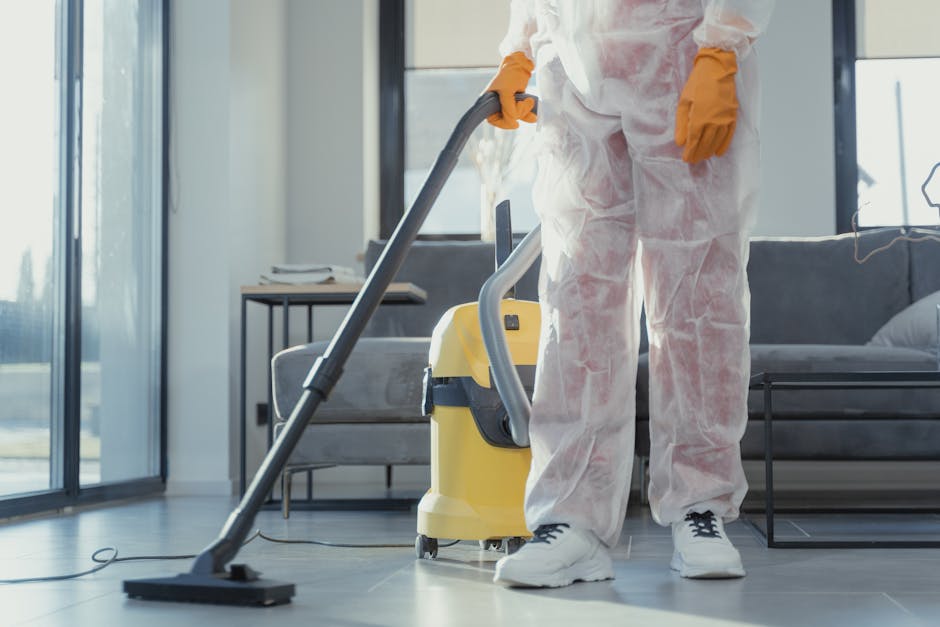
Real cost of deep cleaning in Kentish Town explained
If you have ever looked at a deep cleaning quote and thought, "Right... but what am I actually paying for?", you are not alone. The real cost of deep cleaning in Kentish Town explained is not just about a number on a page. It depends on the size of the property, how much grime has built up, what rooms need attention, and whether you need extras like oven cleaning or upholstery care. A one-off clean in a Victorian terrace off a busy road will not look the same as a light refresh in a smaller flat near the station. Simple as that.
This guide breaks the pricing down in plain English so you can judge a quote properly, avoid overpaying, and decide what level of service actually makes sense. We will look at what deep cleaning includes, what pushes the price up or down, and how to compare services without getting lost in the jargon. And yes, we will talk about the bits people often forget to cost in until the last minute.
Why Real cost of deep cleaning in Kentish Town explained Matters
Deep cleaning is one of those services people often buy only when the home or office has reached that slightly embarrassing stage. You know the sort: skirting boards with a film of dust, tiles losing their sparkle, the oven door you have been avoiding for weeks. In Kentish Town, where many properties are a mix of period homes, compact flats, and busy shared spaces, the price can vary quite a bit depending on the job in front of you.
The reason this matters is simple: a vague quote can hide either a bargain or a trap. If a price looks low, it may exclude the areas that actually need the most work. If it looks high, it may still be good value if it covers more labour, specialist products, or a full property reset. The aim is not to find the cheapest number. It is to find the right service for the real condition of the space.
Truth be told, people usually only compare the headline figure. That is where mistakes happen. A quote for deep cleaning should ideally reflect the time on site, the number of cleaners, the condition of the property, and any extra tasks such as limescale removal, inside cupboards, appliance cleaning, or bathroom sanitising. If you are comparing services in the area, it helps to look at the broader picture and not just the sticker price. For a deeper look at service levels, you may also want to review deep cleaning and one-off cleaning options on the site.
Another reason this topic matters in Kentish Town specifically is the pace of everyday life. People want rooms fresh quickly, often before a move, after renovations, or ahead of guests arriving. Nobody wants to spend two weekends wiping cupboard doors. Fair enough. A good deep clean can save time, reduce stress, and reset a home that has simply got away from you a bit.
How Real cost of deep cleaning in Kentish Town explained Works
At its core, deep cleaning is a more detailed, more labour-heavy service than a standard weekly clean. The cleaner spends longer in each room and tackles the hidden or awkward areas that are usually skipped in routine maintenance. That means behind radiators, under furniture where possible, around taps and seals, inside appliances if requested, and all the little corners that build up residue over time.
Pricing usually follows a few familiar variables:
- Property size - a one-bedroom flat is very different from a family house or a multi-room office.
- Condition of the property - light dusting is not the same as heavy grease, scale, or post-party chaos.
- Scope of work - bathrooms only, whole property, kitchen-heavy jobs, or add-ons like oven cleaning.
- Time required - many quotes are based on an estimated number of hours or cleaners.
- Access and layout - awkward staircases, parking, lift access, or clutter can affect efficiency.
- Specialist tasks - carpet, upholstery, hard floor, or window cleaning can change the total.
In practical terms, a cleaner may start with the kitchen and bathrooms because those rooms take the longest. Then they move into living areas, bedrooms, and finishing touches like skirting boards, door frames, switches, and dusting high-touch surfaces. If there is an oven that looks like it has seen a few roast dinners too many, that can quickly become its own mini-project. A proper oven clean is often priced separately because it takes specialised products and more time.
For homes with soft furnishings or floor coverings, it is common to pair deep cleaning with services such as carpet cleaning, sofa cleaning, or oven cleaning. That is not always necessary, but it can be sensible if the property needs a full refresh rather than a quick tidy-up.
The point is this: the cost is not random. A serious quote should reflect effort, equipment, and the actual condition on the day. If the price is too neat and tidy, ask what is included. Very often, the answer is where the real story lives.
Key Benefits and Practical Advantages
People tend to think of deep cleaning as a luxury. Sometimes it is. But often it is simply practical maintenance with a better result.
Here are the main benefits, in plain terms:
- Better hygiene - deep cleaning reduces built-up dirt, grease, and dust in places routine cleaning misses.
- Less time and stress - you do not have to spend your evenings scrubbing grout or trying to remember which cupboard smells odd.
- Improved appearance - rooms feel fresher, brighter, and more comfortable.
- Helpful before or after events - useful for moving in, moving out, post-renovation, or hosting guests.
- Can protect surfaces - removing built-up residue may help surfaces last better, especially where grime has been sitting for ages.
- Better value over time - a thorough reset can make regular cleaning easier afterwards.
There is also a psychological benefit that gets overlooked. A properly cleaned kitchen or bathroom changes how the whole home feels. It sounds a bit dramatic, maybe, but people notice. The room smells cleaner. The taps shine. The space feels less nagging. That counts.
For landlords, tenants, and homeowners alike, the financial value often comes from preventing disputes or delays. For example, an end-of-tenancy deep clean can support a smoother handover, while a pre-sale clean can improve the impression a buyer gets during viewings. If you need a more move-out focused service, it is worth comparing with end of tenancy cleaning.
Expert summary: the best deep clean is not always the most expensive one. It is the one that matches the property, the timeline, and the level of detail you actually need.
Who This Is For and When It Makes Sense
Deep cleaning makes sense for more people than you might think. In Kentish Town especially, it is a strong fit for compact city living, busy households, and properties that go through a lot of wear and tear.
You may need it if you are:
- moving into a new home and want a proper reset before unpacking
- moving out and need the property in presentable condition
- preparing for guests, family visits, or a special event
- recovering from renovation dust or building work
- catching up after a period when routine cleaning slipped a bit
- managing a rental property between tenancies
- running a small office or workspace that needs a fuller clean than usual
There is also a difference between a one-off refresh and a properly deep clean. If you have just fallen behind for a few weeks, a lighter intensive clean may be enough. If the kitchen has layers of grease, the bathroom grout has discoloured, and the windows are a bit neglected, you are probably in full deep-clean territory.
Let's face it, sometimes life just gets busy. Work, school runs, commuting, a bit of everything. Deep cleaning is not about admitting defeat. It is about being realistic with your time. That is a sensible choice, not a failure.
Businesses can benefit too. Small offices, clinics, and shared workspaces often need more than a quick tidy. In those settings, office cleaning or office cleaners may be a better match, especially where staff hygiene and presentation matter.
Step-by-Step Guidance
If you want to understand the real cost properly, follow the process the same way a good cleaner or provider would. A structured approach makes pricing much easier to judge.
- Walk through the property
Look at each room honestly. Which areas are dusty, greasy, stained, or simply overdue? The kitchen and bathroom usually reveal the most. - List the exact tasks
Do you want inside cupboards, oven, fridge, skirting boards, light switches, or just high-traffic areas? The more specific you are, the more accurate the quote. - Separate essentials from extras
Some add-ons are useful; others can wait. For example, carpet cleaning may be worthwhile, but not every property needs it at the same time. - Ask how the quote is built
Is it hourly, fixed-price, or based on room count? There is no single right answer, but it should be clear. - Check what is excluded
Hidden extras are where budget plans go sideways. Ask whether products, equipment, or specialist tasks are included. - Look at timing
A same-day or urgent booking may cost more. A flexible booking window can sometimes keep the price down. - Compare like with like
Do not compare a basic refresh with a full deep clean. That is not fair on either quote.
A useful rule of thumb: if you cannot explain the quote in one sentence, it may not be as clear as it should be. And if the scope sounds suspiciously vague, ask again. You are allowed to ask. In fact, you should.
When a property needs more than just surfaces, think about whether related services are worth bundling. A kitchen deep clean may pair naturally with oven cleaning or hard floor cleaning if those areas are the main source of the mess.
Expert Tips for Better Results
Over the years, a few patterns come up again and again. The people who get the best value from deep cleaning tend to do a few small things differently.
- Be specific about priorities. If the bathroom and kitchen matter most, say so up front.
- Declutter first if you can. Clearing surfaces helps cleaners spend time on cleaning rather than moving belongings around.
- Take photos of problem areas. This is especially useful when comparing quotes remotely.
- Ask what products are used. This matters for delicate surfaces, pets, children, or allergies.
- Choose the right timing. Booking before a move-in or after builders leave can be far less stressful than waiting until the last minute.
- Focus on high-impact areas. Kitchens, bathrooms, hallways, and entry points usually change the feel of a property most quickly.
A small but important tip: if your property has a lot of fabric surfaces, ask whether upholstery or carpet care is worth adding on the same day. It can make sense to combine tasks, but only if the condition justifies it. No need to clean a sofa just because it exists. That would be overkill, and nobody needs that level of enthusiasm from a quote.
Another practical point is communication. A short, detailed message before the job can save a surprising amount of confusion later. Mention pets, parking, difficult access, fragile items, or anything unusual. Tiny detail, big difference.
Common Mistakes to Avoid
The most expensive deep clean is not always the one with the highest invoice. Sometimes it is the one that does not solve the problem because the scope was wrong from the start.
- Choosing only on price. The cheapest option may leave out important areas or rush the work.
- Not checking what is included. People often assume ovens, interiors, or appliances are part of the standard price. Sometimes they are, sometimes they are not.
- Underestimating the condition. A lightly messy flat and a heavily built-up property are very different jobs.
- Forgetting access costs. Parking, floor level, and entry restrictions can affect efficiency.
- Booking too late. Last-minute jobs often cost more and leave less room for planning.
- Overordering extras. Add-ons are useful only if they solve a real issue.
Another mistake is assuming every deep clean should be identical. They should not. A family home with children and pets, for example, has different pressure points from a rental flat that has been empty for a week. That sounds obvious, but people miss it all the time.
If you are unsure whether you need a full deep clean or a more targeted visit, ask for a breakdown by room or task. A decent provider should be able to explain the options without making you feel daft for asking. You are paying for clarity, after all.
Tools, Resources and Recommendations
The right tools matter because they affect how long the job takes and how good the result looks. Professional-grade cleaning is usually more efficient than a shelf full of supermarket bottles. Not because home products are useless, but because the task often needs stronger grease-cutting, better limescale removal, or more specialised equipment.
Typical items used in a deep clean may include:
- microfibre cloths for dust and polish
- non-abrasive pads for stubborn marks
- degreasers for kitchen surfaces
- limescale removers for taps, showers, and tiles
- vacuum tools and attachments for edges and corners
- steam or extraction equipment for carpets or upholstery where appropriate
If you are trying to decide whether to add specialist cleaning, think about the material and the finish. Soft furnishings usually benefit from methods different to hard surfaces. That is why services such as upholstery cleaning, rug cleaning, and window cleaning are often listed separately. Different task, different kit, different cost.
For people comparing companies, a good place to start is the provider's transparency pages. If a company explains how it handles payment, safety, and service expectations, that usually says a lot about how the actual job will be run. On this site, useful references include pricing and quotes, insurance and safety, and payment and security.
Law, Compliance, Standards, or Best Practice
For most domestic customers, deep cleaning is straightforward, but best practice still matters. Reputable cleaning work should be carried out with safe products, sensible methods, and proper care around electrical fittings, floors, and delicate finishes. In workplaces, there may also be obligations around hygiene, safe access, and staff welfare. The exact requirements depend on the setting, so it is wise not to assume one checklist fits every property.
Insurance is worth paying attention to. If a cleaner is working in your home or business, you want to know that there is some level of cover and that the company takes health and safety seriously. That does not mean something will go wrong, of course. It just means you are not crossing your fingers and hoping for the best. A solid provider should be able to explain how they manage risk in a normal, no-fuss way.
It is also sensible to look for a clear complaints process, especially if the job is large or time-sensitive. That is not because you expect trouble, but because a professional company should be able to handle issues properly if they arise. If you want to see how those expectations are set out, the site's health and safety policy, complaints procedure, and terms and conditions are useful starting points.
For environmentally conscious customers, disposal and product choice may matter too. Where possible, look for providers who consider waste, recycling, and more responsible product use. A practical approach to this can be seen in the site's recycling and sustainability information.
Options, Methods, or Comparison Table
Not every cleaning job needs the same level of effort. Here is a simple comparison to help you decide what type of service usually fits best.
| Option | Best for | What it usually covers | Cost feel |
|---|---|---|---|
| Standard clean | Routine upkeep | Visible surfaces, general tidying, light maintenance | Lower |
| Deep clean | Built-up grime, neglected areas, full refresh | Kitchens, bathrooms, detail work, edges, hidden areas | Medium to higher |
| One-off clean | Occasional reset | Can overlap with deep cleaning, depending on scope | Varies |
| End-of-tenancy clean | Move-out or handover | More comprehensive and often stricter in scope | Higher |
| Specialist add-ons | Problem areas | Ovens, carpets, upholstery, windows, hard floors | Extra |
If you are only trying to freshen up the place before a family visit, a full-scale deep clean may be more than you need. But if the property has not had a proper reset in months, or there are stubborn problem areas, it is usually the better option. The right choice depends on the real state of the home, not the label on the service.
One practical way to think about it: if a normal clean would leave you still mentally making a to-do list, deep cleaning is probably the better fit. If the list is already long before anyone starts, well, you have your answer.
Case Study or Real-World Example
Picture a typical Kentish Town flat: two bedrooms, one bathroom, a fairly busy kitchen, and plenty of everyday wear from commuting, cooking, and not enough time. The flat looks fine at a glance, but the kitchen grease has crept onto cupboards, the bathroom has scale around the taps, and the skirting boards are collecting dust in the corners. Nothing dramatic. Just life.
The first quote might look decent until you notice it only covers visible surfaces. No oven. No inside cupboards. No detail on bathroom limescale. The second quote is a little higher, but it includes the kitchen, bathroom, skirting boards, door frames, and a proper finish in each room. That second quote may actually be better value, even though the headline cost is higher.
What changed? Scope. The cheaper quote was not wrong; it was just incomplete for the job needed. That is the exact kind of difference that creates confusion for customers.
In a case like this, the homeowner might choose a deep clean plus oven cleaning, then leave windows and upholstery for another day. That keeps the spend sensible while still fixing the biggest pain points. Very often, that is the sweet spot. Not everything at once. Just the things that matter most.
Practical Checklist
Use this checklist before booking so you can compare quotes properly and avoid surprises later.
- Identify the rooms that need the most attention
- Decide whether you need a full property clean or a targeted clean
- List special items: oven, carpets, upholstery, windows, hard floors
- Check whether products and equipment are included
- Ask how the price is calculated
- Confirm access, parking, and entry details
- Share any pets, allergies, or delicate surfaces
- Ask how long the job is likely to take
- Read the service terms before booking
- Compare at least two quotes if time allows
If you want a smoother experience, it also helps to clear surfaces and put away clutter before the team arrives. That way, the cleaner can focus on the actual cleaning. Obvious, yes, but it makes a real difference.
Quick takeaway: the real cost of deep cleaning is shaped by scope, condition, and clarity. The better you define the job, the more accurate the price will be.
Conclusion
So, what is the real cost of deep cleaning in Kentish Town? In honest terms, it is the cost of time, effort, and detail needed to bring a property back to a proper standard. That might be a modest one-off refresh for a tidy flat, or a more involved full-home clean after months of build-up. The right price is the one that matches the job in front of you, not the one that sounds nicest at first glance.
If you compare quotes carefully, ask the right questions, and focus on what truly needs cleaning, you will usually end up with better value and less stress. That is really the aim here. A cleaner space, a clearer head, and no nasty surprises when the invoice lands.
Get a free quote today and see how much you can save.
And if you are still weighing it up, that is fine too. A good decision usually starts with a bit of honest comparison, not a rush.
Frequently Asked Questions
How much does deep cleaning usually cost in Kentish Town?
The cost varies depending on property size, condition, and what is included. A small flat with light build-up will usually cost less than a larger home needing detailed kitchen and bathroom work.
Is deep cleaning more expensive than a regular clean?
Yes, usually it is. Deep cleaning takes longer and covers areas that routine cleaning often skips, so the labour and detail level are higher.
What is normally included in a deep clean?
Typical tasks include detailed cleaning of kitchens and bathrooms, dusting hard-to-reach areas, wiping skirting boards, cleaning switches and doors, and tackling built-up grime. Exact inclusions should always be confirmed.
Do I need deep cleaning before moving out?
In many cases, yes. An end-of-tenancy or pre-move-out clean can help with handover and reduce disputes about condition. It is worth checking what your landlord or letting agent expects.
Can I book deep cleaning with carpet or upholstery cleaning?
Absolutely. Many people combine services when the property needs a full refresh. It can be a sensible way to deal with problem areas in one visit.
Why do quotes for deep cleaning vary so much?
Because no two properties are the same. Room size, grime level, access, and extra tasks all affect how long the work will take. A quote should reflect that reality.
How long does a deep clean take?
It depends on the size and condition of the property. A compact, fairly tidy flat may take far less time than a larger home with heavy build-up or specialist add-ons.
Should I choose the cheapest deep cleaning quote?
Not automatically. Cheapest can be fine, but only if the scope is clear. Always compare what is included so you are not missing essential tasks.
Do I need to provide cleaning products or equipment?
Usually no, but that depends on the provider. Many professional cleaners bring their own products and equipment, especially for deep cleans.
Is deep cleaning worth it for a small flat?
Yes, often it is. Small flats can still build up a surprising amount of grime in kitchens and bathrooms, and a thorough reset can make a big difference.
Can deep cleaning help after renovation work?
Yes. Post-renovation dust and residue can settle in awkward places, so deep cleaning after builders is often a practical next step. It is a bit of a faff to deal with yourself, to be fair.
How do I know if a quote is fair?
A fair quote should explain the rooms covered, the tasks included, and any extras. If the provider can clearly justify the price and it matches the work required, that is usually a good sign.
For more information about the wider service options, you can also review about us, contact us, and cleaning company details on the site.